

 Home
HomeMIFIA Successfully Concludes Participation at the 139th Canton Fair: Introducing the Innovative Hole...
MIFIA is pleased to announce the successful conclusion of its participation in the 139th China Impor

Choosing the right material for book covers involves more than just aesthetics. For wholesalers and school supply distributors, the decision impacts shipping costs, environmental compliance, and long-term durability. While both Polypropylene (PP) and Polyvinyl Chloride (PVC) serve the stationery market, their physical properties and manufacturing processes differ significantly. Based on our production data and material analysis, here is the technical breakdown to help you select the ideal substrate for your project.
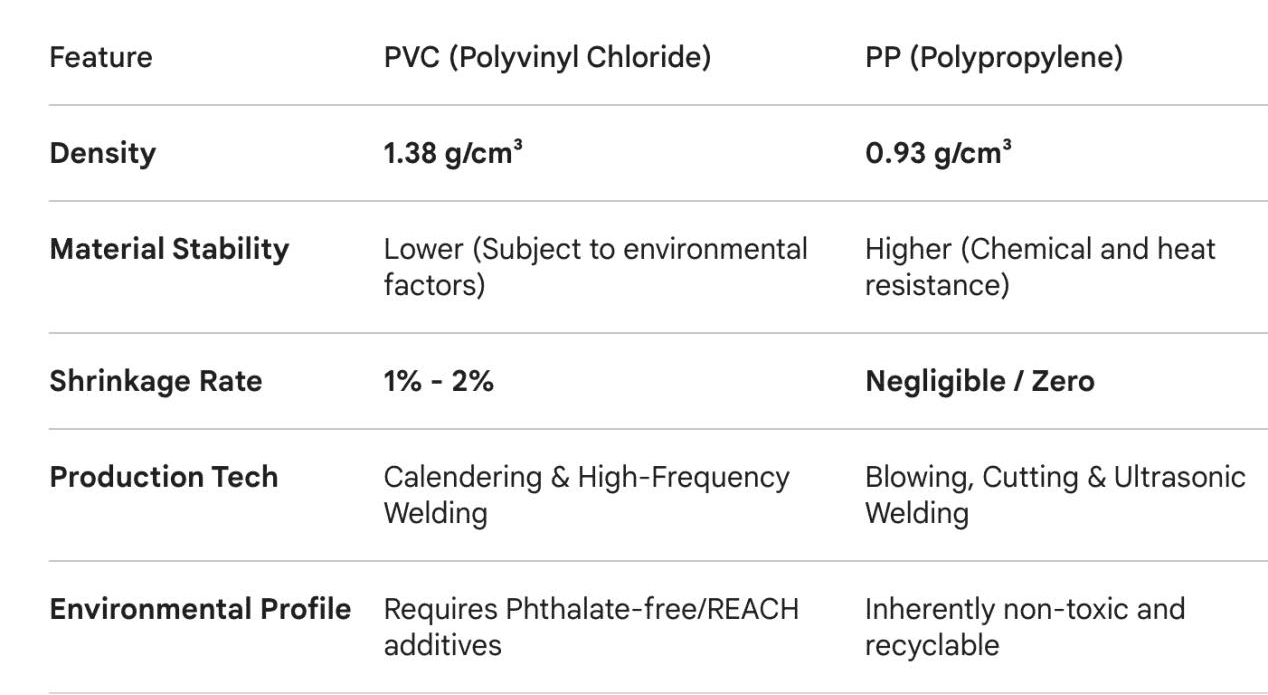
One of the most critical factors in bulk sourcing is material density. PVC has a higher density of 1.38 g/cm³, whereas PP is much lighter at 0.93 g/cm³. Because PP is less dense, it yields more covers per ton of raw material compared to PVC. This lightweight nature directly reduces international freight costs, making PP a highly cost-effective choice for high-volume school tenders.
Environmental compliance is an increasingly important factor, especially in the European and North American markets.
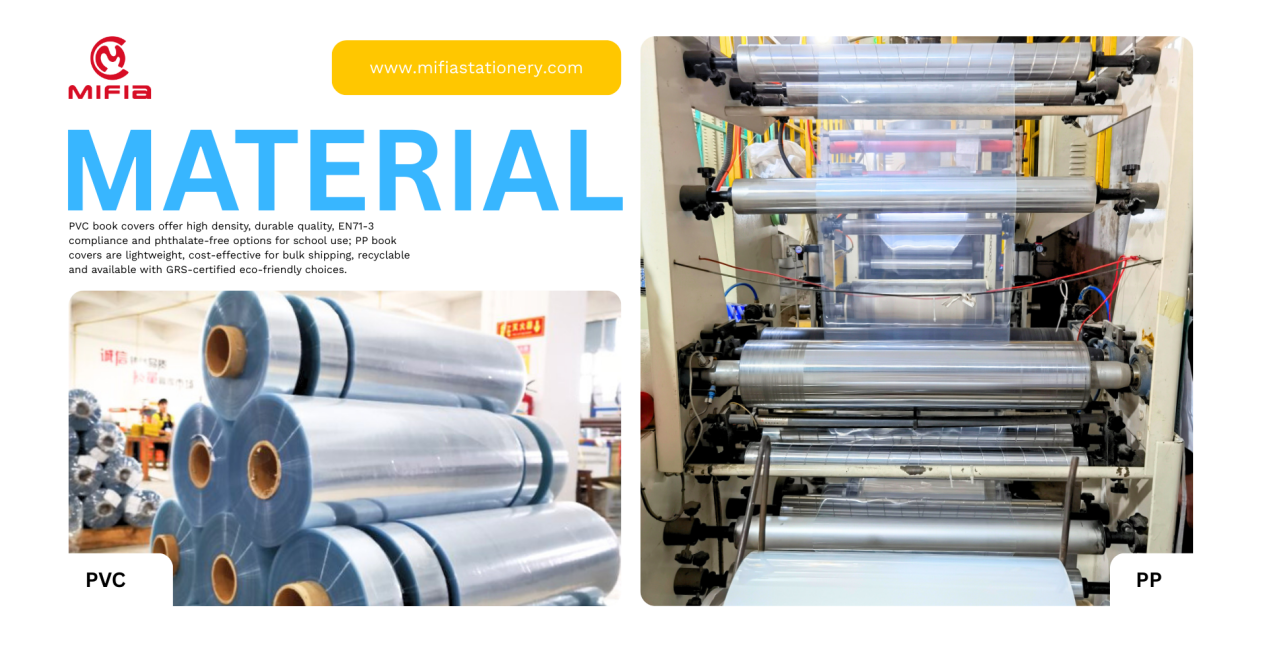
MIFIA can produce PVC book covers that meet EN71-3 environmental safety standards, which are widely required for school stationery. In addition, phthalate-free production is available depending on the customer’s market requirements. Not every project requires the same level of environmental compliance, so the material and formulation can be adjusted according to the target country and regulations.
On the other hand, PP is naturally a more environmentally friendly material. It does not require plasticizers and is easier to recycle. For brands focusing on sustainable school supplies, recycled PP (GRS-certified) is becoming a popular choice.
PVC and PP also behave differently after production.
PVC is a more active material and may have a slight shrinkage rate of 1%–2% when used directly as a book cover material, especially under temperature changes or long-term storage.
PP, on the other hand, is dimensionally stable and does not shrink after production.
However, it is important to clarify one point:
When producing self-adhesive book cover films, both PP and PVC do not have shrinkage problems. Shrinkage mainly occurs only when PVC is directly used as a finished book cover material.
This means:
For self-adhesive film → both materials are stable
For finished book covers → PP provides more dimensional stability
The machinery used for these materials defines the product's finish:
PVC Production: Utilizes calendering for film thickness and high-frequency welding for seams. This creates a very soft, "rubber-like" hand-feel with high clarity, often favored for premium archival protection.
PP Production: Employs blowing or casting methods. Seams are joined via ultrasonic welding. The result is a stiffer, more "crinkle-resistant" cover that provides excellent structural support for softcover textbooks.
Select PVC if your project prioritizes a premium, soft-touch texture and high-gloss transparency. It is the ideal choice for library-grade protection and luxury stationery lines where the "hand-feel" is a key selling point.
Select PP if you are fulfilling high-volume school contracts. Its lower shipping weight, inherent recyclability, and cost-efficiency make it the top choice for government tenders and large-scale educational distributors.
At MIFIA, we understand that the choice between PP and PVC is driven by specific market demands, budget constraints, and regional environmental regulations. With over 15 years of expertise in stationery manufacturing, we don't just supply products—we provide technical consultation to ensure your inventory aligns with your business goals. Our facility is equipped with both High-Frequency welding lines for PVC and Ultrasonic production systems for PP, allowing us to maintain rigorous quality control regardless of the material you choose. Contact us today to request a comprehensive material sample kit or a quick quote for your custom book cover project. Let MIFIA’s experience be the backbone of your brand’s success.
MIFIA is pleased to announce the successful conclusion of its participation in the 139th China Impor
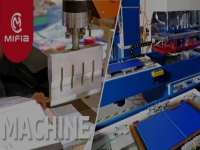
Understanding the difference between ultrasonic welding and high-frequency welding helps wholesalers
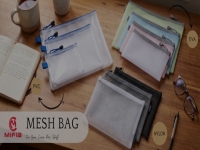
In both school and travel environments, storage products are exposed to frequent handling, pressure,
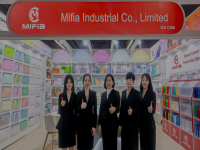
MIFIA is participation in Ambiente 2026, from February 6 to February 10, 2026,Booth C26A, Hall 10.0.
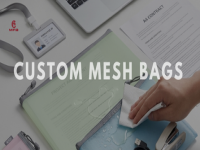
How to Choose Custom Mesh Bags for Bulk Orders (Size, Material & Design Options)
How to Choose Custom Mesh Bags for Bulk Orders (Size, Material & Design Opti...
In today's dynamic business environment, effective organization is no longer a l...
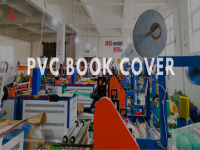
How to Control Quality in PVC Book Cover Production
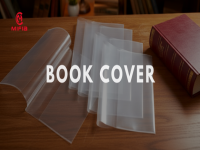
Why Book Covers Matter for Long-Term Protection
How to Build an Efficient and Cost-Effective Purchasing System