


 Home
HomeMIFIA Successfully Concludes Participation at the 139th Canton Fair: Introducing the Innovative Hole...
MIFIA is pleased to announce the successful conclusion of its participation in the 139th China Impor

Office Supplies Procurement Guide: How to Build an Efficient and Cost-Effective Purchasing System
Managing office supplies may seem simple, but for many companies, it is one of the most frequent and least controlled expenses. Without a structured process, teams may overspend, order the wrong items, or face inventory shortages that affect daily work. Therefore, a well-organized procurement system can help companies save time, reduce costs, and improve workplace efficiency. At the same time, suppliers who provide office supplies should also pay attention to the buying priorities and concerns of their corporate clients, so they can better prepare their product offerings and support the purchasing process more effectively. To build this system step by step, it is important to understand supply needs, streamline purchasing workflows, and choose reliable suppliers that provide consistent quality.

Before setting up any purchasing strategy, the first step is identifying what the company truly needs. Reviewing past spending data is one of the most effective ways to gain a clear picture. By collecting invoices and purchase orders from the previous months, procurement teams can see which items are used most often and which categories take up the largest portion of the budget. This forms the basis for better planning and helps businesses avoid unnecessary or duplicated purchases.
Once the spending pattern is understood, building a standard office supplies checklist becomes easier. This list usually includes document organizers, writing tools, filing products, storage bags, and daily consumables. Items such as file folders, display books, and zipper pouches are commonly used in offices, schools, and training centers. Structuring these categories allows procurement teams to control inventory more effectively and forecast consumption more accurately.
By defining usage and demand clearly, companies can set a more realistic budget and allocate costs to each category. This is also the foundation for a more organized sourcing strategy.
After identifying needs, the next step is to set up a smooth and efficient procurement workflow. Many organizations today use digital systems such as Workday, SAP, or other purchasing platforms to handle requisition, approval, and invoicing. These systems help keep the ordering process transparent and ensure expense control.
In most companies, purchasing begins with a requisition submitted by employees or departments. This request includes item details, quantities, delivery locations, and accounting information. Once the requisition is reviewed and approved, the system generates a purchase order (PO) and sends it to the supplier.
For companies using integrated purchasing tools or Punchout connections, the process becomes even more convenient. Through “Connect to Supplier Website” functions, users can enter the supplier’s online store directly, add items to the cart, and return to the system automatically. The cart items convert into requisition lines instantly, simplifying manual input and reducing errors.
When goods arrive, procurement or administrative staff create a receipt in the system to match against the invoice. This three-way matching process—PO, receipt, and invoice—helps ensure accurate payments and reduces financial discrepancies. With a clear workflow, managing office supplies becomes much more predictable and controlled.
With internal processes in place, the next important decision is selecting the right supplier. Reliable suppliers can reduce purchasing risks and ensure that the company always receives consistent quality. When evaluating a supplier, several factors matter: product durability, delivery accuracy, customer service, and the ability to offer a complete product range.
For example, file folders and document organizers must withstand daily use, while zipper bags should maintain durability, waterproof performance, and smooth zippers. Book covers also need to offer stable protection, especially for organizations that handle textbooks or training materials. When a supplier can provide stable quality across these categories, procurement teams can avoid switching vendors repeatedly.
Sustainability is also becoming an important consideration. Many companies and institutions now pay more attention to environmentally friendly materials and production processes. Suppliers that offer PP folders or recyclable storage products help buyers make responsible purchasing decisions without compromising functionality.
Building long-term relationships with dependable suppliers allows companies to negotiate better pricing, simplify replenishment procedures, and improve overall purchasing efficiency. This also supports better planning for special events, seasonal changes, and large-volume orders.
To maintain smooth operations, companies require a wide range of office supplies, and understanding each category helps procurement teams choose the right products.
Document Management Products:
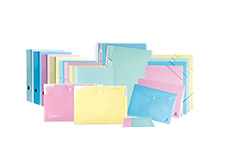
File folders, elastic folders, ring binders, and display books are used for organizing reports, storing documents, and supporting presentations. These products help maintain order across departments, reduce clutter, and improve document accessibility.
Storage and Zipper Bags:
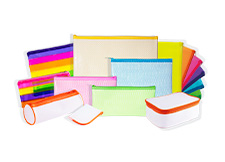
Mesh bags, PVC zipper pouches, EVA zipper pouches, and nylon zipper pouches are widely used for storing stationery, documents, cables, and small tools. Their durability and versatility make them suitable for offices, schools, and laboratories.
Book Covers:
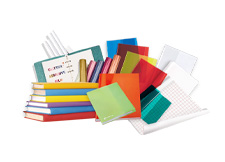
PVC, PP, and adhesive book covers protect textbooks and notebooks from damage. They are especially useful for schools, training institutions, and companies that distribute printed manuals. Different materials offer different advantages, such as transparency, flexibility, and long-lasting protection.
By understanding product characteristics and usage scenarios, procurement teams can choose the most suitable items for everyday operations.
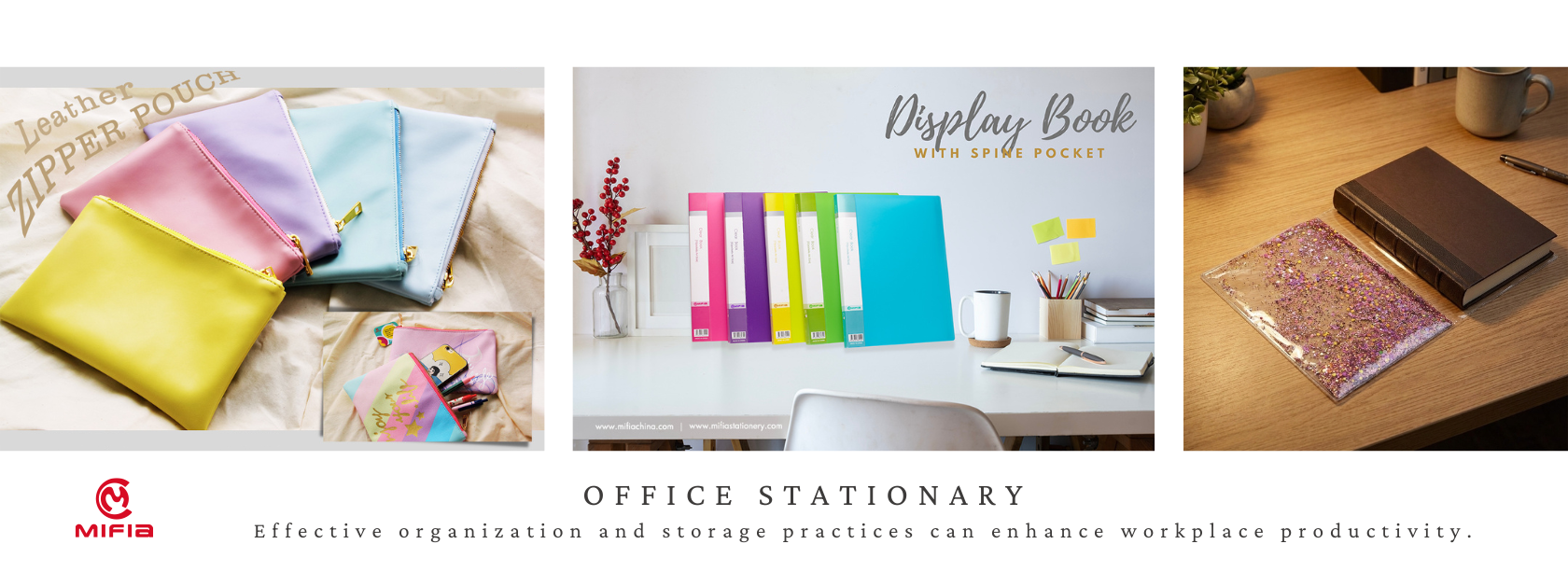
With the right products and suppliers in place, proper management ensures everything runs smoothly. One effective method is organizing supply storage areas with clear labels and categories, which helps staff locate items quickly and prevents overordering.
In addition, setting a replenishment schedule based on usage patterns helps avoid both shortages and excessive inventory. This is especially important for items with high turnover, such as folders, pens, and printing supplies. Using digital tools or simple spreadsheets can support more accurate forecasting.
Automation also plays an important role. Digital procurement systems reduce manual errors, support multi-level approvals, and keep purchasing history accessible at any time. As a result, companies gain better spending transparency and stronger budget control.
A clear and structured office supplies procurement system can significantly reduce costs, improve efficiency, and support smooth daily operations. By understanding needs, standardizing the purchasing process, selecting reliable suppliers, and maintaining organized inventory practices, companies can create a sustainable and cost-effective workflow. With the right approach, office supplies procurement becomes more than a routine task—it becomes an opportunity to optimize operations and strengthen long-term planning.
If you are looking for a reliable stationery supplier offering high-quality file folders, book covers, zipper bags, display books, and other office supplies, MIFIA INDUSTRIAL CO., LIMITED is ready to support your business growth. With 15+ years of experience, strong production capacity, and a commitment to sustainability, MIFIA provides dependable products and professional service to wholesalers, importers, supermarkets, chain stores, offices, and schools worldwide.

MIFIA is pleased to announce the successful conclusion of its participation in the 139th China Impor
Understanding the difference between ultrasonic welding and high-frequency welding helps wholesalers
In both school and travel environments, storage products are exposed to frequent handling, pressure,
MIFIA is participation in Ambiente 2026, from February 6 to February 10, 2026,Booth C26A, Hall 10.0.
How to Choose Custom Mesh Bags for Bulk Orders (Size, Material & Design Options)
How to Choose Custom Mesh Bags for Bulk Orders (Size, Material & Design Opti...
In today's dynamic business environment, effective organization is no longer a l...
How to Control Quality in PVC Book Cover Production

Why Book Covers Matter for Long-Term Protection
How to Build an Efficient and Cost-Effective Purchasing System